A veneer should enhance your natural smile, not replace it. Every case is personally planned and placed by Dr Aodhan Docherty, using a conservative approach that keeps as much of your natural tooth as is clinically possible. Start with a free, no-obligation smile consultation.
Dr Aodhan Docherty · Registered Dentist, AHPRA DEN0001938737 · Circular Quay, Sydney. Veneers are an elective procedure. Suitability is assessed in person.
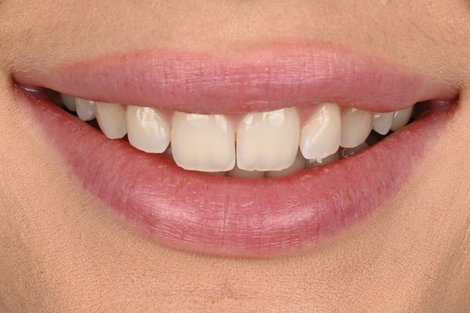
Before
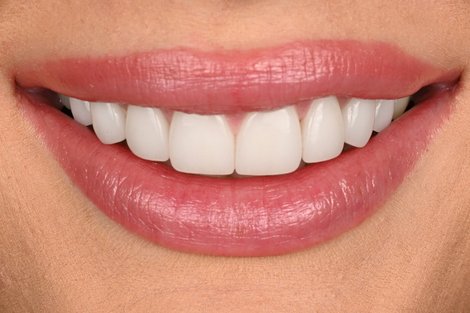
After
Porcelain Veneers
8 upper porcelain veneers · After image: ~3 weeks post-procedure
Outcome relevant to this patient only. Individual results vary.
Important. Veneers involve preparation of natural teeth and may be irreversible. Outcomes vary between individuals and cannot be guaranteed. The information on this page is general only and not a substitute for an in-person clinical assessment.
A signature approach
The Aodhan Method™
A considered, preservation-first approach to veneers, guided by the same dentist from your first conversation to your final smile.
1
Understand
It begins with your face, not just your teeth. Dr Aodhan considers your features and what you want your smile to say, so the design suits you rather than a template.
2
Design
Using digital and hand design, your proposed smile is planned around your facial proportions, balancing shape, length and harmony as a whole.
3
Preview
You see, and can often trial, your proposed smile before any irreversible treatment. Nothing is finalised until you feel confident in the plan.
4
Preserve
Teeth are prepared as conservatively as each case allows, protecting as much healthy, natural tooth as possible. This is the heart of the method.
5
Refine
Each veneer is hand-characterised by skilled technicians and refined at the fit, so the finished result looks like a natural part of you.
The Aodhan Method describes Dr Aodhan's personal approach to planning and delivering veneer treatment. It is not a guarantee of any particular result. Suitability, including whether a conservative preparation or a trial preview is appropriate, is assessed at an in-person clinical consultation. Every patient is different and outcomes vary.
Inside the method · Preserve
Conservative dentistry. Considered cosmetics.
The fourth stage of the method, Preserve, is where Dr Aodhan's approach differs most. Wherever it is clinically appropriate, he uses a conservative technique that protects healthy enamel, so your result looks right today and keeps more of your natural tooth for the future. It is the same approach he teaches to other dentists across Australia.
Traditional approach
Our conservative approach
More enamel removed to fit the veneer
Minimal removal where clinically suitable
Always irreversible
Some cases reversible, assessed clinically
Greater long-term reliance on restoration
More natural tooth preserved for the future
A standard shape often dictates the result
Your own anatomy guides the design
Suitability for a conservative approach is assessed clinically. Not every case is a candidate, and some cases require traditional preparation for the best long-term outcome.
The options
Porcelain or composite.
There is no single right answer. The best choice depends on your natural teeth, your goals and your bite. Here is how the two main options compare. We confirm what suits you at your consultation.
Porcelain veneers
Long-lasting and natural
Can remain in place for 10 to 15 years or longer with proper care.
Highly resistant to staining from wine, tea and coffee.
Mimics the natural translucency of real teeth beautifully.
Each veneer is hand-made by our technicians for your case.
Usually 4 appointments
Composite veneers / bonding
Conservative and quicker
Often requires little to no enamel removal.
Sculpted directly onto the tooth, frequently in a single visit.
A good option for smaller changes, chips and minor gaps.
Lasts on average 3 to 5 years and may need more upkeep.
Usually 1 to 2 appointments
The process
From consult to final fit.
A clear, unhurried path. No treatment is recommended before a thorough assessment, and you see a preview of your new smile before anything is made permanent.
01
60 minutes
Consultation
Meet Dr Docherty to discuss your goals. A full examination, clinical photographs and a digital scan are taken.
02
~3 weeks
Trial smile
Teeth are prepared conservatively and a temporary trial smile is fitted. You wear it for around three weeks to live with the shape and size before committing.
03
Try-in
Fit & cement
Your final veneers are tried in. Once you are completely happy, they are bonded into place. A nightguard is provided if needed.
04
Ongoing
Maintenance
Regular review at six-monthly cleaning appointments helps protect your veneers over time.
Recent cases
Before & after
About these images. All photos are of actual patients who have given written consent. They are not edited, filtered or enhanced. Each outcome is relevant only to the individual shown and is not a guarantee of result for any other patient.
20 cases shown
← Swipe to see more cases →
Common questions
The things patients ask.
Traditional porcelain veneers are not reversible, because a small amount of enamel is removed to fit them. Once that enamel is gone it cannot be restored. Some conservative and composite cases involve little or no enamel removal and may be reversible. Which applies to you is assessed clinically at your consultation.
Well-placed porcelain veneers commonly last 10 to 15 years, sometimes longer, before needing replacement. Composite veneers typically last 3 to 5 years. Longevity depends on your bite, hygiene, whether you grind your teeth, and lifestyle factors like diet and smoking.
Preparation is done under local anaesthetic and is generally well tolerated. Most patients describe mild sensitivity for a few days afterward, particularly to cold. This usually settles within a week or two once the final veneers are bonded.
It depends entirely on your smile and your goals. Some patients need only two to four on the front teeth; others choose six, eight or ten for a fully balanced smile line. Dr Aodhan will not recommend more veneers than your case genuinely requires.
Often, yes. For many patients, Invisalign before veneers means less intervention overall and more natural tooth preserved. Where that is the better path, Dr Aodhan will tell you, even if it means a longer journey. Straightening first is frequently the more conservative choice.
Not an accurate one. Veneer treatment depends on the number of teeth, the material, the complexity of the case, and any preparatory work needed first. A figure quoted without seeing your teeth is only a guess. At your consultation you receive an exact, written plan and cost to take home.
Yes. For patients who choose to go ahead, we offer an interest-free payment plan to make treatment more manageable. There is nothing to pay in interest, and we will walk through how it works at your consultation. Eligibility and terms are confirmed in person.
Veneers suit some patients and not others. They will not be placed on a patient with active gum disease, an unmanaged bite issue or significant decay until that is addressed first. Sometimes a different treatment is the more appropriate first step. The consultation is the only honest way to know.
Important to know
Before you proceed.
Veneers are an elective procedure with permanent consequences in many cases. These points are not the small print. They are the conversation we have with you in person before any treatment is planned.
01
Often irreversibleTraditional veneers require enamel removal that cannot be undone. Some conservative cases may be reversible, assessed clinically.
02
SensitivityShort-term sensitivity is common after preparation. Long-term sensitivity is uncommon but possible.
03
Replacement over timeVeneers are not permanent and will need replacement at some point, with associated cost.
04
Breakage & debondingVeneers can chip, fracture or debond under heavy bite forces. A nightguard is generally recommended.
05
Aesthetic variationFinal appearance depends on your starting tooth structure, gum line, lip position and lighting.
06
SuitabilityNot everyone is a candidate. Active gum disease, decay or bite issues must be managed first.
Any dental procedure carries risk. Before proceeding we recommend seeking a second opinion from a suitably qualified dental practitioner. Outcomes vary between individuals, and the cases shown on this website are examples for those specific patients only and are not a guarantee of result. Costs are not covered by Medicare or private health funds.
The same dentist, start to finish
Start with a smile assessment.
A few quick questions about your smile. A couple of minutes, no obligation, and a clear sense of your options before you decide whether to book.
 Before
 After
After